


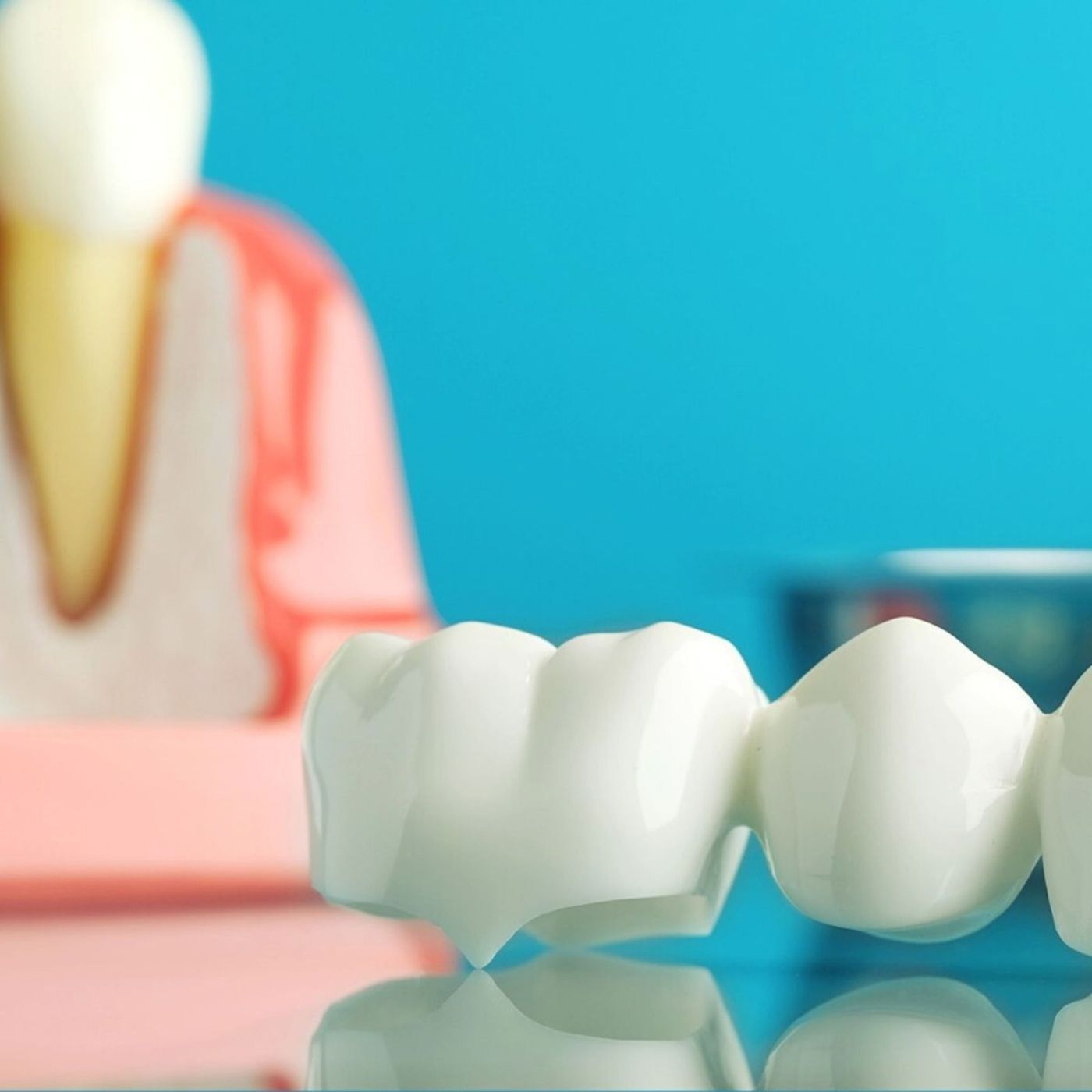
Quick answer: The best crown depends on the tooth. Porcelain and ceramic look the most natural and suit front teeth; porcelain-fused-to-metal and full-metal crowns are extremely strong for back teeth that take heavy chewing. We will talk through which fits your tooth, your bite and your budget, and give you the cost in writing first.
A crown is a cap that covers and protects a damaged or weakened tooth, restoring its shape, strength and appearance. If you have been told you need one, the natural next question is which type. Here is a plain-English guide, from our team in Cooma.
What a crown actually does
Crowns are used when a tooth is cracked, heavily filled, badly worn, or has had root canal treatment and needs protecting. The crown holds the tooth together and lets you use it normally again, often saving a tooth that would otherwise be lost. It is one of the workhorses of restorative dentistry.
The main types of crown
- Porcelain or all-ceramic: the most natural-looking, reflecting light much like real enamel. A popular choice for front teeth where appearance matters most.
- Porcelain fused to metal: a strong option with a natural finish, often used on back teeth that need both durability and a tooth-coloured look.
- Full metal (gold alloys): extremely hard-wearing and gentle on the opposing teeth, ideal for out-of-sight molars, though less natural-looking.
How to choose the right one
The right crown comes down to a few practical things: which tooth it is, how much chewing force it takes, how visible it is when you smile, and your budget. A front tooth and a back molar often call for different choices. We will talk you through the trade-offs honestly and give you a written quote before anything starts, so you can decide with the full picture in front of you.
What getting a crown involves
In most cases the tooth is gently prepared and shaped, an impression or digital scan is taken, and the crown is made to fit. Some practices can make certain crowns in a single visit; we explain that option in how same-day crowns work. The tooth is numbed throughout, so it is a comfortable appointment.
Looking after a crown
Treat it like a natural tooth: brush, clean between your teeth, and keep up your regular check-ups so we can keep an eye on it. With good care, crowns last many years. If one ever comes loose or falls out, here is exactly what to do.
Frequently asked questions
How long do crowns last?
With good care, many crowns last well over a decade. Regular check-ups help them last longer by catching any issue with the tooth underneath early.
Does getting a crown hurt?
The tooth is numbed during treatment, so it is comfortable. Some mild sensitivity afterwards is normal and settles.
Which crown is best for a front tooth?
Porcelain or all-ceramic crowns are usually preferred for front teeth because they look the most natural.
Is a crown better than a large filling?
For a heavily damaged tooth, often yes. A crown protects the whole tooth, whereas a very large filling can leave it prone to cracking. We will advise what suits your tooth.
Been told you need a crown? Talk to our Cooma team about your options.
